




🕵️ Scammers Leave Digital Clues
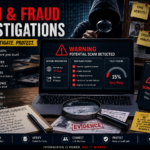
A fake profile, suspicious website, or unbelievable investment offer may look convincing—but scammers often leave public digital footprints behind.
OSINT (Open-Source Intelligence) helps investigators connect these clues without hacking into private accounts.
🔎 How OSINT Exposes Scams
1. Investigating Fake Websites
Researchers can examine a website’s domain history, creation date, branding, and publicly available information. A newly created site pretending to be an established company is a major warning sign.
2. Reverse-Searching Photos
Scammers frequently steal profile pictures. A reverse-image search can reveal whether the same photograph appears under different names or on unrelated websites.
3. Connecting Online Identities
The same username, email, phone number, logo, or wording may appear across multiple suspicious accounts. Connecting these clues can reveal coordinated scam activity.
4. Spotting Fake Profiles
Fake experts often use stolen credentials, fake testimonials, impressive lifestyles, and promises of guaranteed profits. Comparing their claims with reliable public information can expose inconsistencies.
🚨 Red Flags You Shouldn’t Ignore
Be suspicious when someone:
- Promises guaranteed investment returns
- Demands immediate payment
- Requests cryptocurrency or gift cards
- Sends unexpected login links
- Asks for passwords or verification codes
- Pressures you to keep a transaction secret
Urgency is a scammer’s favorite weapon.
🛡️ Protect Yourself
Before trusting someone online, pause and verify. Check the website address, search suspicious photos, investigate unusual claims, and avoid sharing sensitive information publicly.
If you encounter a scam, save screenshots, messages, payment details, usernames, and website addresses. Report the activity through appropriate platforms or authorities.
Stay Ahead With Blogs Community
Scams evolve constantly. Blogs Community helps readers understand cybersecurity threats, online fraud, privacy risks, and digital safety.
Bookmark, follow, comment, and share to help others recognize scams before they become victims.
Think before you click. Verify before you trust.
Learn how to spot fake online stores, check websites and reviews, identify suspicious payment methods, and avoid e-commerce scams before you buy.