


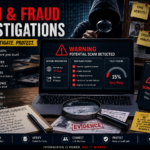


Scams are deceptive schemes designed to trick people into giving away money, personal information, account access, or valuable data. Today, scams can appear through emails, text messages, social media, fake websites, online stores, job offers, investment platforms, and even phone calls.
Common scams include online shopping scams, job scams, investment fraud, cryptocurrency scams, phishing, identity theft, and fake payment requests.
Warning Signs of a Scam
Be cautious when someone:
- Promises unusually high profits or rewards
- Pressures you to act immediately
- Requests payment through unusual methods
- Asks for sensitive information unexpectedly
- Uses suspicious websites, email addresses, or accounts
- Makes claims that cannot be independently verified
Before sending money or sharing information, stop and verify. Search for the company or person independently, check official sources, examine reviews, and compare information from multiple reliable sources.
If you believe you’ve encountered a scam, preserve screenshots, messages, receipts, website addresses, and transaction details. Do not send additional money simply because someone promises to recover your losses.
The best defense against scams is simple: pause, investigate, and verify before you trust.
Learn how to recognize common scams, spot warning signs, verify suspicious offers, and protect your money, personal information, and online accounts. What to Do If You Encounter a Scam
Recognizing a scam is important, but knowing what to do next can be just as valuable. Scammers often continue contacting victims after the first interaction, especially when they believe more money or information can be obtained.
Stop Before You Send More
If something suddenly feels wrong, stop communicating and do not send additional money. Be especially careful if someone claims you must pay a fee, tax, or deposit to recover money you already lost.
Save the Evidence
Keep anything connected to the scam, including:
- Screenshots
- Emails and messages
- Website addresses
- Usernames and profile links
- Phone numbers
- Receipts and invoices
- Payment records
- Transaction IDs
Write down important dates and what happened while the details are still fresh.
Verify the Claim Independently
Don’t use contact information provided by the suspicious person. Find the company’s official website or legitimate contact channel yourself and verify the claim.
Protect Your Accounts
If you shared a password, change it immediately and avoid reusing the same password elsewhere. Enable multi-factor authentication (MFA) where available.
Report the Scam
Depending on the situation, report suspected fraud to your bank or payment provider, the website or platform involved, and the appropriate consumer-protection or law-enforcement authority.
Most importantly, don’t feel embarrassed about being targeted. Modern scams are designed to look convincing. The best response is to stop, preserve the evidence, protect yourself, and report what happened.